Why Commercial Potholes Keep Coming Back
- June 23, 2026
- Harrisburg, PA
Why Commercial Potholes Keep Coming Back
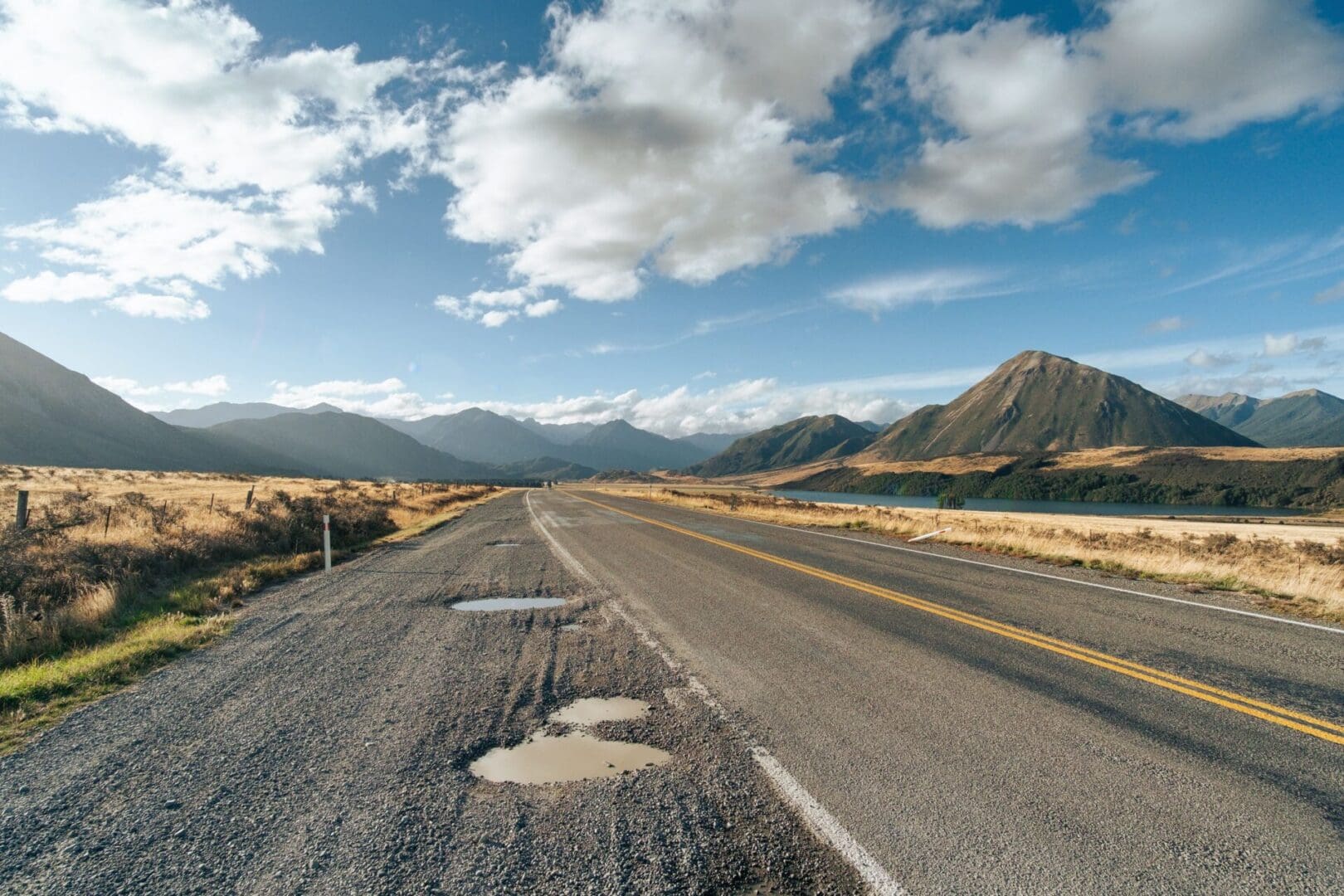
Few things frustrate a Harrisburg property owner like fixing the same pothole twice. You patch it, it looks fine for a few weeks, then the hole opens right back up in the exact same spot. It’s one of the most common complaints we hear from commercial clients across Central PA, and the reason almost always comes down to what’s happening below the surface. A pothole isn’t really a surface problem. It’s a symptom of something failing underneath. So when the patch keeps blowing out, the real issue was never the hole itself.
This post breaks down why commercial potholes keep returning, what actually causes them, and how local businesses can stop the cycle for good. If you’re tired of patching the same spots every season, our Harrisburg, PAving team can find the root cause.
Why Do Commercial Potholes Keep Coming Back?
Potholes keep coming back because the surface patch never addresses the failing base beneath it. As long as the foundation stays weak or wet, any repair on top is temporary.
Think of it like painting over water damage. The wall looks fine for a while, but the leak is still there.
A patch fills the hole. It does nothing for the soft, saturated base that created the hole in the first place. So the cycle just repeats.
What Actually Causes Potholes in Commercial Lots?
The main cause is water reaching the base and weakening the support under the asphalt. Once that support gives way, traffic punches through the surface and a pothole forms.
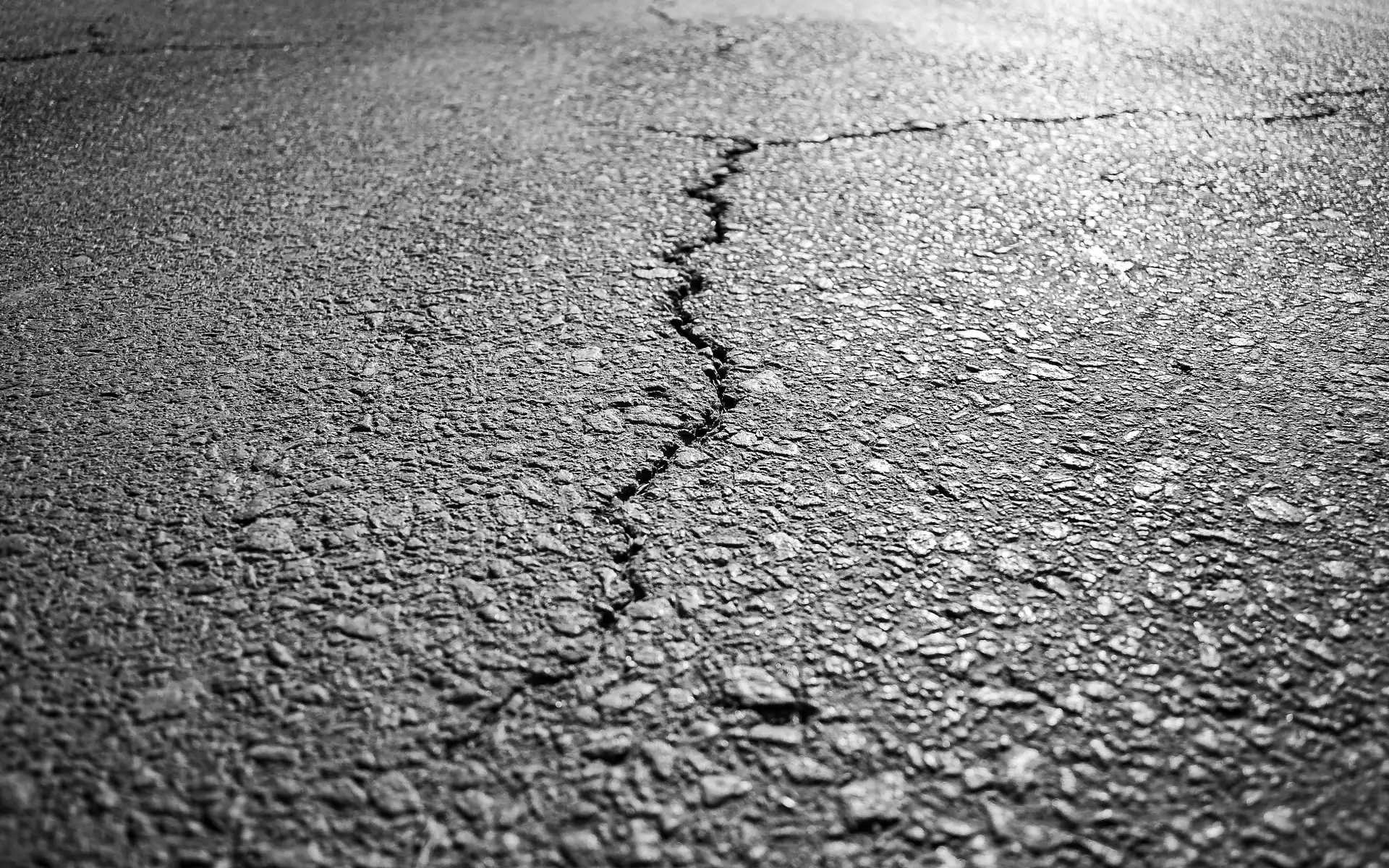
It usually starts small. A crack lets water in, the base softens, and a vehicle presses the weak spot down until it breaks open.
Heavy traffic speeds the whole thing up. Loading docks, truck lanes, and drive entrances take the most abuse, which is why potholes cluster in those exact areas.
Why Do Pothole Patches Fail So Quickly?
Patches fail fast because cold patch material is a short term fix, not a structural repair. It plugs the hole but bonds poorly and can’t carry real load.
Throw a scoop of cold mix in a hole and you’ve bought maybe a few weeks. Traffic loosens it, water gets back in, and it pops right out.
A lasting repair means cutting out the failed section, fixing the base, and laying proper hot mix. Anything less is a patch on a patch.
How Does Harrisburg Winter Create Potholes?
Harrisburg winters create potholes through repeated freeze and thaw cycles. Water seeps into cracks, freezes, expands, and breaks the pavement apart, then traffic finishes the job.
Every freeze widens the gap a little more. By spring, what was a hairline crack is a crater.
Here’s a real example. A distribution lot off the Paxton Street corridor kept losing the same patch at its main truck entrance, three winters running. The owner blamed cheap asphalt. Truth was, water had been pooling at that entrance for years and the base under it had turned to mush. Cold patch never stood a chance against loaded trucks rolling over a soft spot. We cut the whole section out, rebuilt the base, fixed the drainage, and repaved it. That entrance hasn’t failed since. The problem was never the surface. It was everything under it. You can see how closely this ties to the way drainage destroys asphalt around here.
Are Recurring Potholes a Sign of Base Failure?
Yes. A pothole that returns in the same spot is one of the clearest signs the base below has failed. The surface keeps breaking because there’s nothing solid holding it up.
One stubborn pothole is a localized base problem. Several across the lot points to something bigger.
When base failure spreads, surface repairs stop making sense. At that stage it becomes a resurface or replace decision instead of a patch job.
How Do You Fix a Pothole So It Stays Fixed?
A permanent fix means a full depth repair. You remove the damaged asphalt, fix the weak or wet base, then fill with compacted hot mix that bonds to the surrounding pavement.
The steps that make it last:
- Cut out the failed area down to solid base
- Correct any drainage feeding the spot
- Rebuild and compact the base properly
- Fill with hot mix and seal the edges
Skip any of those and you’re back to patching by next season.
How Can You Prevent Potholes Long Term?
The best prevention is sealing cracks early and keeping water off the lot. Most potholes start as a small crack that nobody fixed in time.
Stay ahead of it with simple habits:
- Fill cracks before winter sets in
- Keep drains and low spots clear of standing water
- Sealcoat every two to three years
Routine sealcoating and maintenance is far cheaper than chasing potholes every spring. A little upkeep now saves a full repair later.
Frequently Asked Questions
Why does the same pothole keep returning after I fill it?
Because the base under it has failed. Filling the surface won’t help until the weak foundation and any water issues below get fixed.
Are cold patch repairs a permanent fix?
No, cold patch is temporary. It works for emergencies, but lasting repair requires cutting out the failed section and rebuilding with compacted hot mix.
Do potholes mean my whole parking lot needs replacing?
Not always. One or two are localized repairs. But widespread potholes usually signal base failure across the lot, which may mean replacement.
Why are potholes worse in spring around Harrisburg?
Winter freeze and thaw cycles expand cracks all season. By spring, the weakened pavement breaks open fast under traffic and snowmelt.
Can sealcoating prevent potholes?
Sealcoating helps by blocking water and slowing cracks, but it won’t fix existing base damage. It’s prevention, not structural repair.
Stop Patching the Same Spots Every Year
If you’re filling the same potholes season after season, the surface was never the problem. A proper evaluation finds what’s failing underneath so you fix it once and move on. Conte Paving & Construction has solved recurring pavement problems for Harrisburg area businesses for over 30 years. Reach out to our Harrisburg asphalt contractors for a free estimate and a real fix instead of another patch.
Trending Posts
-
 05 Oct 2026 Harrisburg, PAWhy Loading Docks Wear Out Faster Than Parking Lots
 -
05 Oct 2026 Harrisburg, PABest Time of Year to Pave in Harrisburg, PA
-
 24 Jun 2026 Harrisburg, PAWhat Causes Asphalt to Crack? Harrisburg Guide
 -
 24 Jun 2026 Harrisburg, PAAsphalt Resurfacing vs Replacement in Harrisburg
 -
 23 Jun 2026 Harrisburg, PAWhy Commercial Potholes Keep Coming Back