What Causes Asphalt to Crack? Harrisburg Guide
- June 24, 2026
- Harrisburg, PA
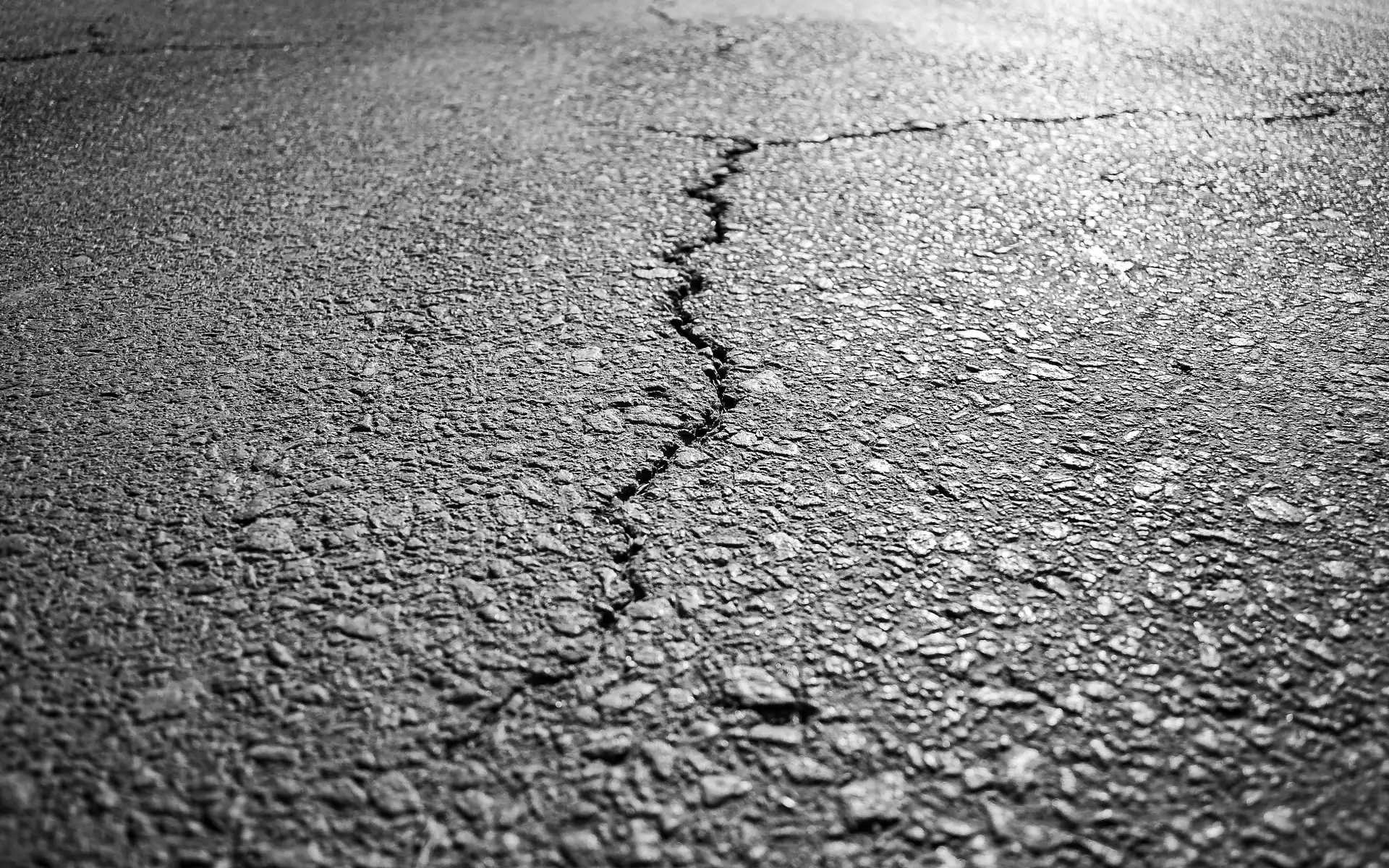
What Causes Asphalt to Crack?
Every property owner in Harrisburg deals with this sooner or later. Your lot looks great heading into fall, and by spring there’s a jagged line running across it or a corner near the entrance starting to break apart. Annoying, right? And most folks figure the asphalt was just junk. Nine times out of ten, that’s not the real story.
Asphalt cracks for reasons you can actually do something about. Weather, water, weight, age, and whatever’s hiding under the surface all factor in, and let’s be honest, Central PA piles on more of those stressors than just about anywhere. Here’s the upside. Once you know what’s behind the cracking, you can jump on it early and keep a cheap problem from turning into a wallet drainer. So let’s walk through what really cracks asphalt around Dauphin County, what each crack is trying to tell you, and how to stay a step ahead of it.
What Are the Main Reasons Asphalt Cracks?
It almost always boils down to four things: weather swings, water in the base, heavy weight, and age. And it’s usually a combo, not a single villain. People point at the surface, but the cause tends to be sitting underneath it.
Here’s the way to think about it. Asphalt isn’t a permanent slab. It flexes, it ages, it expands in heat and shrinks in the cold, and it softens a bit under load. Push it long enough with no upkeep and it splits. Figuring out which cause is driving your cracks is step one to actually fixing them.
How Does Weather Cause Asphalt to Crack?
Our weather is brutal on pavement, and freeze and thaw cycles are the main reason. Water slips into a tiny gap, freezes overnight, swells up, then melts off by afternoon. Do that all winter and a hairline flaw gets pried wide open.
Summer pitches in too. UV rays cook the binder that holds the asphalt together, so the surface turns brittle and starts cracking from the top down. Between that blazing July sun and January temps that can’t make up their mind, Harrisburg asphalt takes a beating from both ends every year.
Why Does a Weak Base Cause Cracking?
A bad base is one of the biggest culprits behind asphalt that fails early. If the ground below wasn’t packed down right, or the soil keeps shifting and holding water, the surface has nothing solid to sit on. So it flexes. And flexing becomes cracking.
This isn’t something a quick patch solves either. Lay fresh asphalt over a weak base and it’ll crack in the same spots all over again. That’s exactly why getting the install right matters so much from the jump. A good asphalt contractor builds the base to handle the load before any asphalt ever touches it.
What Do Different Types of Asphalt Cracks Mean?
Each crack pattern tells its own story, and learning to read them helps you gauge how urgent things are. Some are cheap cosmetic fixes. Others are the road waving a red flag that something below already let go. These are the five you’ll see most often around Harrisburg.
Longitudinal cracks run the same direction as traffic, usually down the center or along a lane, and they tend to come from aging, shrinkage, or a seam that wasn’t joined well.
Transverse cracks cut straight across the pavement, and they almost always trace back to temperature swings, which makes them a regular sight after our winters.
Block cracking shows up as big connected squares spread across an area, and it’s the telltale sign the asphalt has dried out and lost its flex with age.
Alligator cracking looks exactly like the name says, a scaly web of cracks, and this is the one to worry about. It means the base is failing and the road is coming apart structurally.
Edge cracks form along the outer edges of a lot or driveway, usually because those edges lack support or water has been pooling and eating away at the sides.
So a couple of clean straight lines? Often just a seal job. A spreading alligator pattern? That’s structural, and worth a professional look before it starts sinking on you. Honestly, the pattern is a free diagnosis once you know what you’re staring at.
Does Water Make Asphalt Cracking Worse?
Every time. Water is asphalt’s number one enemy, because it works down into cracks, softens the base, and speeds up every other kind of damage along the way. A crack that’s letting water through is a far bigger headache than a dry one.
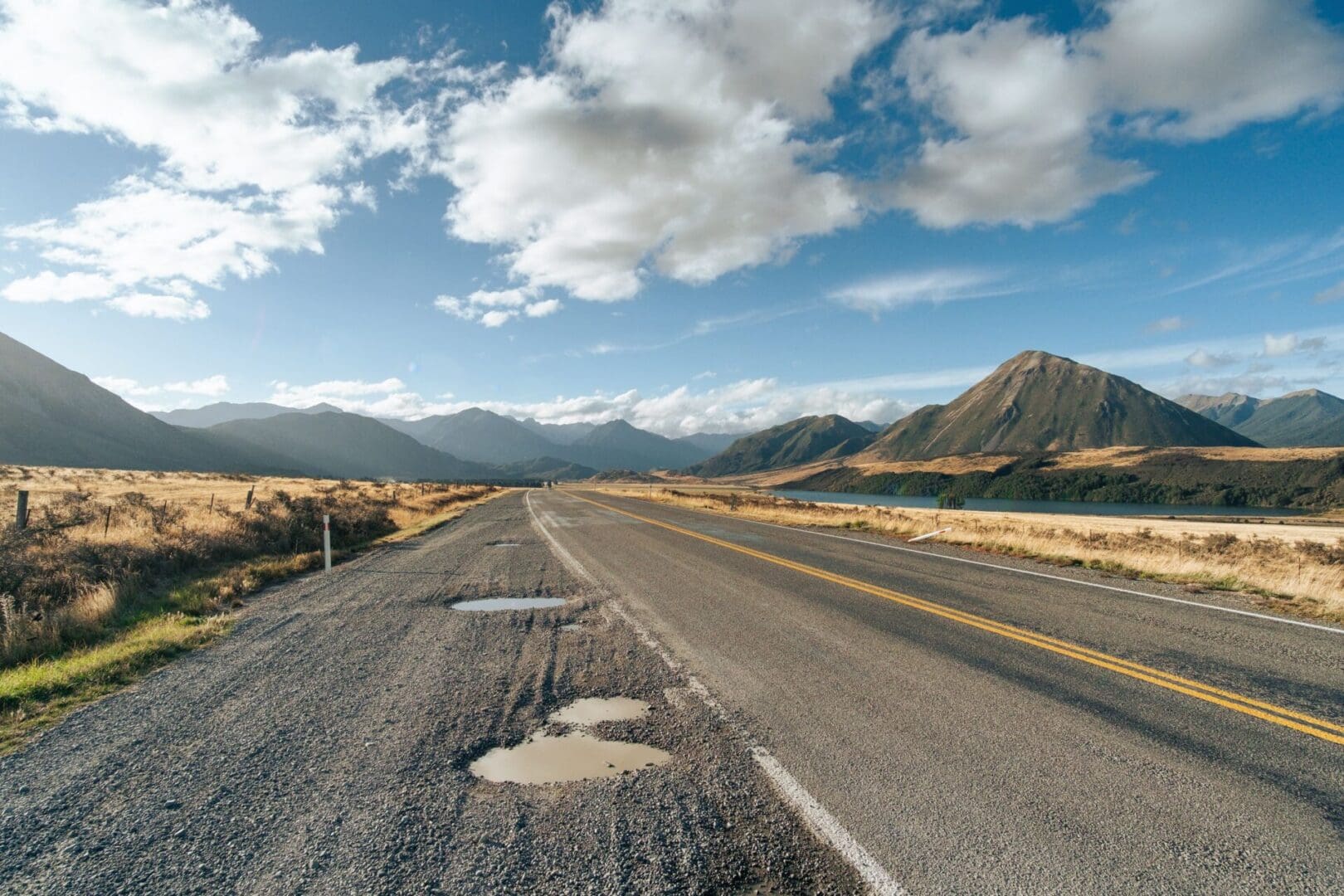
You’ll catch it in the low spots where puddles hang around long after the rain quits. Those areas crack first, and they crack worst. Solid drainage plus quick crack sealing keeps water out before it reaches the base and turns a small flaw into a sunken, broken mess.
Can You Prevent Asphalt from Cracking?
You can’t stop it cold, but you can slow it down a lot with steady upkeep. Sealcoating, crack filling, and good drainage are the big three, and together they cost a sliver of what a major repair runs.
Sealcoat every few years and you shield the surface from sun and water. Fill the small cracks early and they can’t spread or pull moisture in. Keep water moving off the lot and the base stays protected. None of this is rocket science. It just has to actually get done on a schedule instead of sitting on the back burner until the damage is staring you in the face.
When Should You Repair Cracked Asphalt vs Replace It?
Depends how deep it goes. Surface cracks can be sealed or patched, but cracking that reaches a failing base usually calls for resurfacing or rebuilding that section. Patching over a bad base is money down the drain.
Thin cracks with a solid base underneath? You’re in cheap fix territory. Alligator patterns, sinking, or cracks that come right back after a repair? That’s structural, plain and simple. A professional eye tells you which side you’re on. Conte Paving handles the whole spread of commercial paving work for Harrisburg properties, from crack repair to full replacement.
Frequently Asked Questions
How fast do asphalt cracks spread?
Quicker than people expect, especially around here. Once water gets in, Central PA freeze and thaw cycles can widen a crack noticeably in just one winter.
Is crack filling worth the cost?
For sure. Filling cracks early keeps water out of the base and stops potholes, making it one of the cheapest ways to protect your pavement.
Why does my asphalt crack right after it was repaired?
Usually the base underneath is failing. Surface patches over a weak base crack again fast, so the real fix has to deal with what’s below.
Can I seal asphalt cracks myself?
For small hairline cracks, sure. But wider or repeat cracks point to deeper trouble that really needs a contractor to assess and handle right.
Does new asphalt crack too?
It can, if it was installed poorly or built on a weak base. Quality work and a compacted base are what keep new asphalt crack free for longer.
Stay Ahead of the Cracks
Cracked asphalt isn’t bad luck, and it doesn’t automatically mean you need a brand new lot. It’s the surface reacting to weather, water, weight, and time, and most of it can be headed off with a little attention. Catch the small stuff, keep water out, and stick to a maintenance routine built for Central PA conditions.
If your lot or driveway is cracking and you’re not sure how bad it really is, get a professional set of eyes on it before another winter makes the call for you. The crew at Conte Paving & Construction can take a look and give it to you straight on what your pavement needs.
Trending Posts
-
 05 Oct 2026 Harrisburg, PAWhy Loading Docks Wear Out Faster Than Parking Lots
 -
05 Oct 2026 Harrisburg, PABest Time of Year to Pave in Harrisburg, PA
-
 24 Jun 2026 Harrisburg, PAWhat Causes Asphalt to Crack? Harrisburg Guide
 -
 24 Jun 2026 Harrisburg, PAAsphalt Resurfacing vs Replacement in Harrisburg
 -
 23 Jun 2026 Harrisburg, PAWhy Commercial Potholes Keep Coming Back