How Drainage Problems Destroy Commercial Asphalt
- June 23, 2026
- Harrisburg, PA
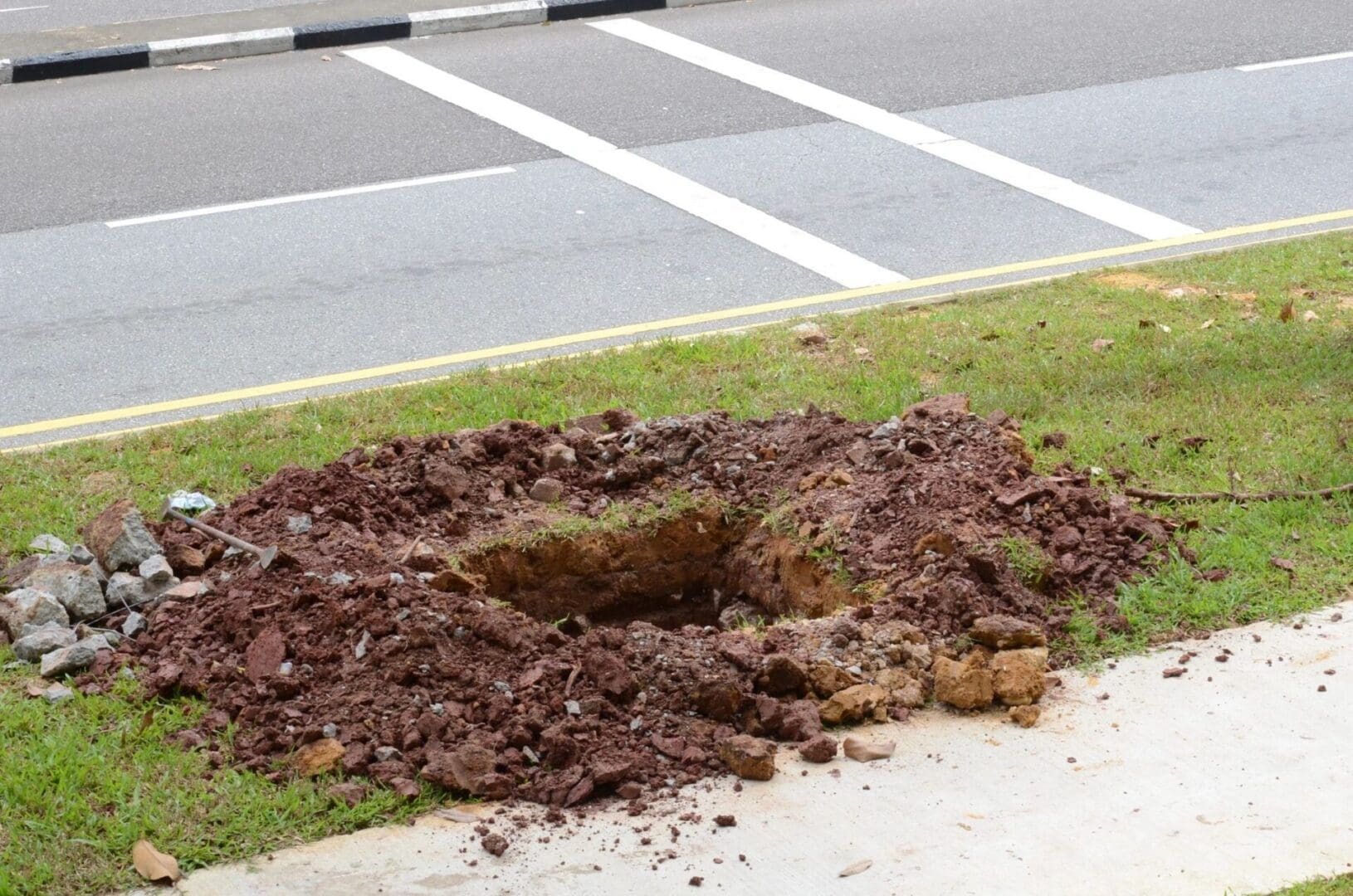
How Drainage Problems Destroy Commercial Asphalt in Harrisburg, PA
Around Harrisburg, water is the quiet enemy of every commercial parking lot. You don’t always see the damage coming, but poor drainage goes to work under the surface long before potholes show up at your front door. When rain has nowhere to go, it pools, soaks into the base, and slowly breaks apart pavement that should have lasted decades. For property managers across Central PA, drainage is the difference between a lot that ages gracefully and one that needs costly repairs every few years. The tricky part is that drainage trouble usually hides until the damage is already done.
This guide walks through how water destroys commercial asphalt, the warning signs to watch for, and what local businesses can do to protect the investment. If you’re already seeing standing water, our commercial paving team can assess it before it spreads.
How Does Poor Drainage Destroy Commercial Asphalt?
Poor drainage destroys asphalt by letting water seep beneath the surface and weaken the base that holds everything together. Once the foundation softens, the pavement above loses support and starts to crack, sink, and crumble.
Asphalt is built to shed water, not soak in it. When water sits or pools, it works through small gaps and saturates the stone base underneath.
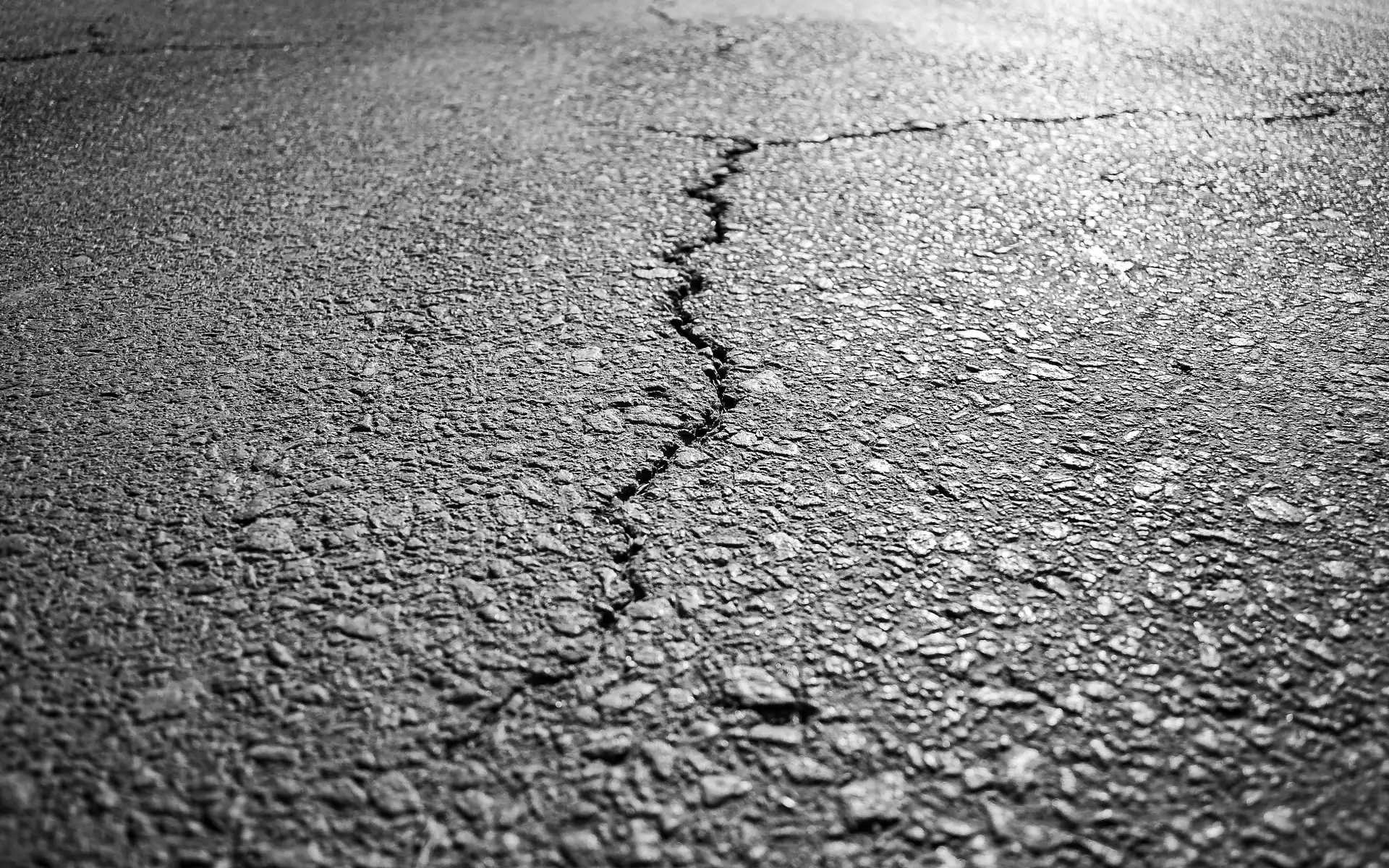
That saturated base shifts under traffic. The surface flexes, cracks form, and water pours into those cracks to repeat the cycle faster each time.
What Are the Warning Signs of Drainage Problems?
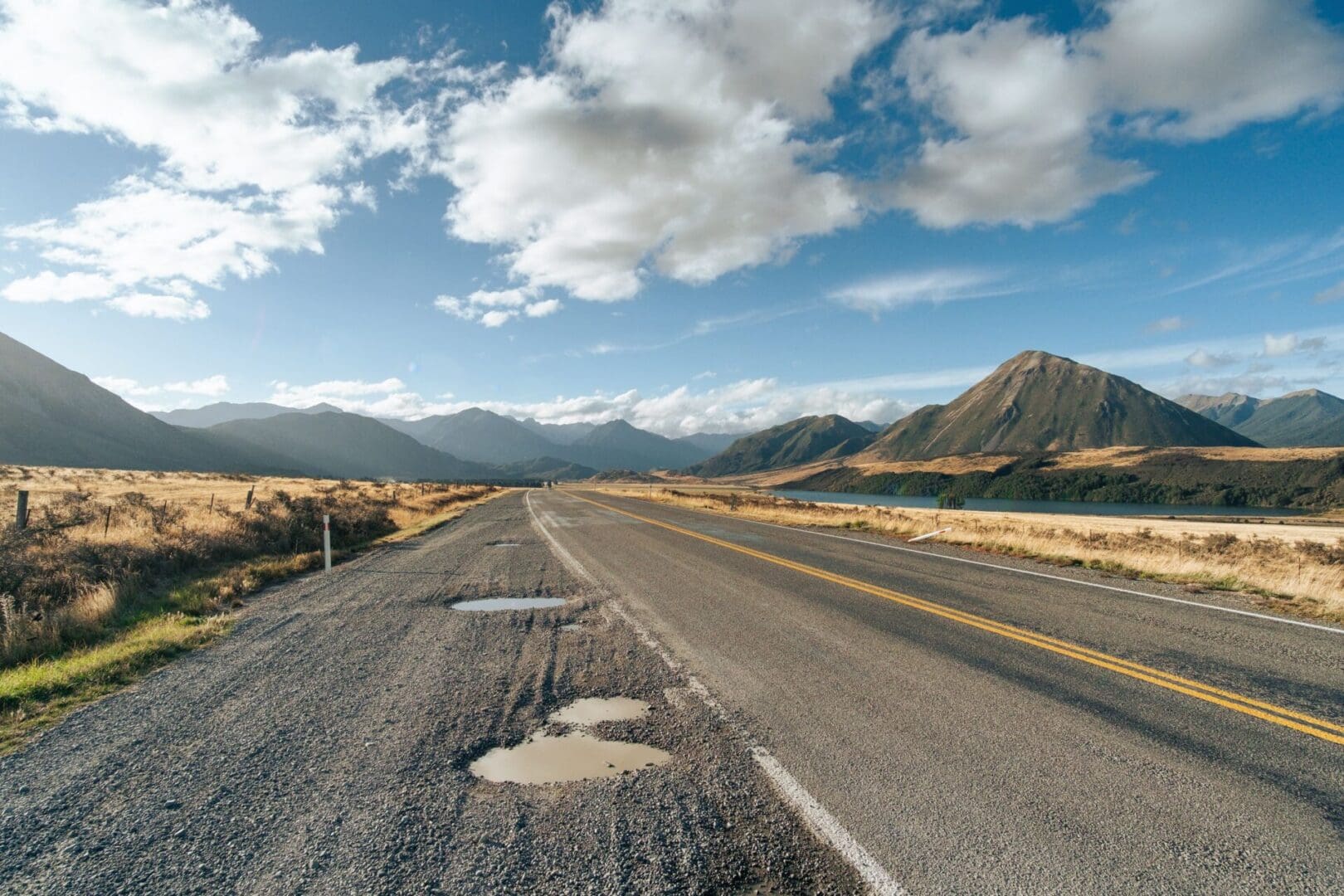
The clearest signs are standing puddles, dark stained patches, and cracking that clusters in low spots. If water sits on your lot more than a day after rain, drainage is already a problem.
Watch for these red flags around your Harrisburg property:
Puddles that linger long after the storm passes
Cracks spreading out from low lying areas
Sunken sections or soft spots near downspouts
Sediment or debris collecting in one corner
Catch these early and you usually avoid a full tear out. Ignore them and the repair bill grows every season.
Why Does Standing Water Damage a Parking Lot So Fast?
Standing water damages asphalt fast because it attacks both the surface and the base at the same time. On top, water breaks down the binder that holds the asphalt together. Below, it erodes the stone foundation.
A puddle that returns after every rain is a sign the surface has already started to fail. Each cycle of wetting and drying loosens the bond a little more.
Add traffic to a softened spot and you get rutting, then potholes. The same areas keep failing because the water keeps coming back.
How Does Central PA Weather Make Drainage Worse?
Central PA’s freeze and thaw cycles turn drainage problems into structural damage. Trapped water freezes overnight, expands, and pries the pavement apart from the inside.
By the end of winter, a minor puddle has often become a cracked, heaved section. Snowmelt and spring rain then flood those new openings.
Road salt and plow blades pile on around Harrisburg, Hershey, and Mechanicsburg. Lots that drain poorly take the worst of it.
You see it play out every year along the Cameron Street corridor. Plenty of commercial lots down there sit low, close to Paxton Creek, where the water table runs high and runoff has nowhere fast to go. We’ve walked lots in that pocket where one corner held water after every storm. The owner figured it was just a puddle. Two winters later that same corner had dropped a couple inches and cracked wide open, because the trapped water kept freezing and thawing all season long. The fix wasn’t the whole lot. Just a regrade and a fresh catch basin to pull the water toward the street. Caught it in time, barely. Spots like that hide all over Harrisburg once you know what to look for.
That’s exactly why our crews treat water management as the foundation of every project, which ties straight into the resurface or replace decision once damage sets in.
What Drainage Solutions Work for Commercial Lots?
The most effective solutions are proper grading, working catch basins, and clear drainage channels that move water off the lot fast. Good grading alone solves most issues by giving water a path to follow.
Common fixes for commercial properties include:
Regrading low spots so water flows toward drains
Installing or clearing catch basins and trench drains
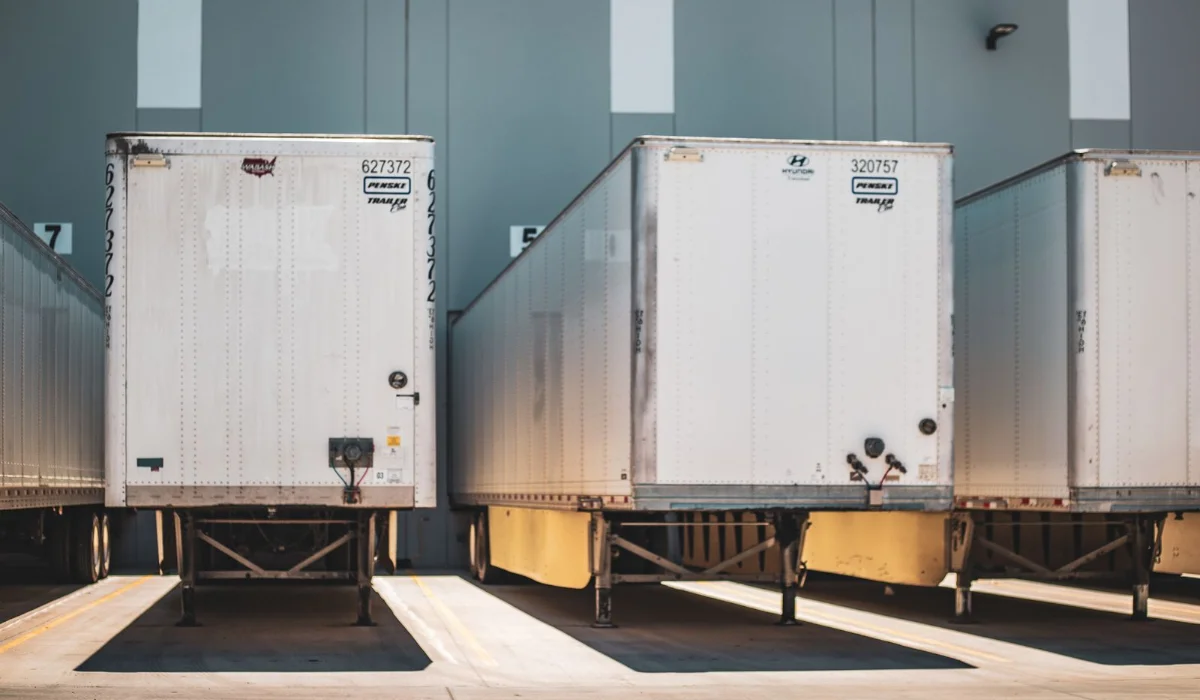
Correcting slope around loading docks and entrances
Adding channels that direct runoff away from the pavement
The right combination depends on your site, traffic, and how the land sits. A quick evaluation usually reveals exactly where water is going wrong.
How Can You Prevent Drainage Problems During Paving?
Drainage problems are prevented during paving by grading the site correctly and building a strong, well compacted base before any asphalt goes down. Get the slope and base right and water never gets the chance to pool.
This is where rushed jobs cause long term pain. Contractors who skip proper site prep leave behind flat spots and weak bases that trap water for years.
Routine upkeep protects that work too. Keeping drains clear and staying current with sealcoating and maintenance stops small drainage issues from turning into major repairs.
Can Drainage Damage Be Repaired Without Full Replacement?
Yes, in many cases. If the base is still mostly sound and the damage is localized, regrading plus patching or resurfacing can fix the problem without replacing the whole lot.
The deciding factor is how far the water has spread. Limited damage near one drain is an easy repair.
Widespread sinking or cracking across the lot usually means the base has failed and full replacement is the smarter long term call.
Frequently Asked Questions
How long can standing water sit before it damages asphalt?
Water sitting more than 24 to 48 hours starts weakening the surface. In Central PA winters, even brief pooling can cause freeze damage overnight.
Does sealcoating help with drainage problems?
Sealcoating protects the surface from water penetration, but it won’t fix grading or pooling. You need proper drainage correction first, then sealcoat to maintain.
Why does my parking lot flood in one specific spot?
That spot is almost always a low point or a failing drain. The fix is usually regrading the area so water flows toward a working catch basin.
Can poor drainage void an asphalt warranty?
Often yes. Many warranties exclude damage from standing water or improper site drainage, which is why correct grading at install matters so much.
Is drainage repair expensive for commercial lots?
It varies, but catching it early is far cheaper than full replacement. A localized regrade costs a fraction of rebuilding a water damaged lot.
Don't Let Water Quietly Wreck Your Lot
Drainage problems rarely announce themselves until the damage is expensive. If you’re seeing puddles, soft spots, or cracks creeping out from low areas, a quick site visit can pinpoint the cause before it spreads further. Conte Paving & Construction has solved water and grading problems for Harrisburg area businesses for over 30 years. Reach out to our Harrisburg asphalt team for a free estimate and a straight answer on what your lot actually needs.
Trending Posts
-
 05 Oct 2026 Harrisburg, PAWhy Loading Docks Wear Out Faster Than Parking Lots
 -
05 Oct 2026 Harrisburg, PABest Time of Year to Pave in Harrisburg, PA
-
 24 Jun 2026 Harrisburg, PAWhat Causes Asphalt to Crack? Harrisburg Guide
 -
 24 Jun 2026 Harrisburg, PAAsphalt Resurfacing vs Replacement in Harrisburg
 -
 23 Jun 2026 Harrisburg, PAWhy Commercial Potholes Keep Coming Back