Red Flags in a Commercial Asphalt Install
- June 20, 2026
- Harrisburg, PA
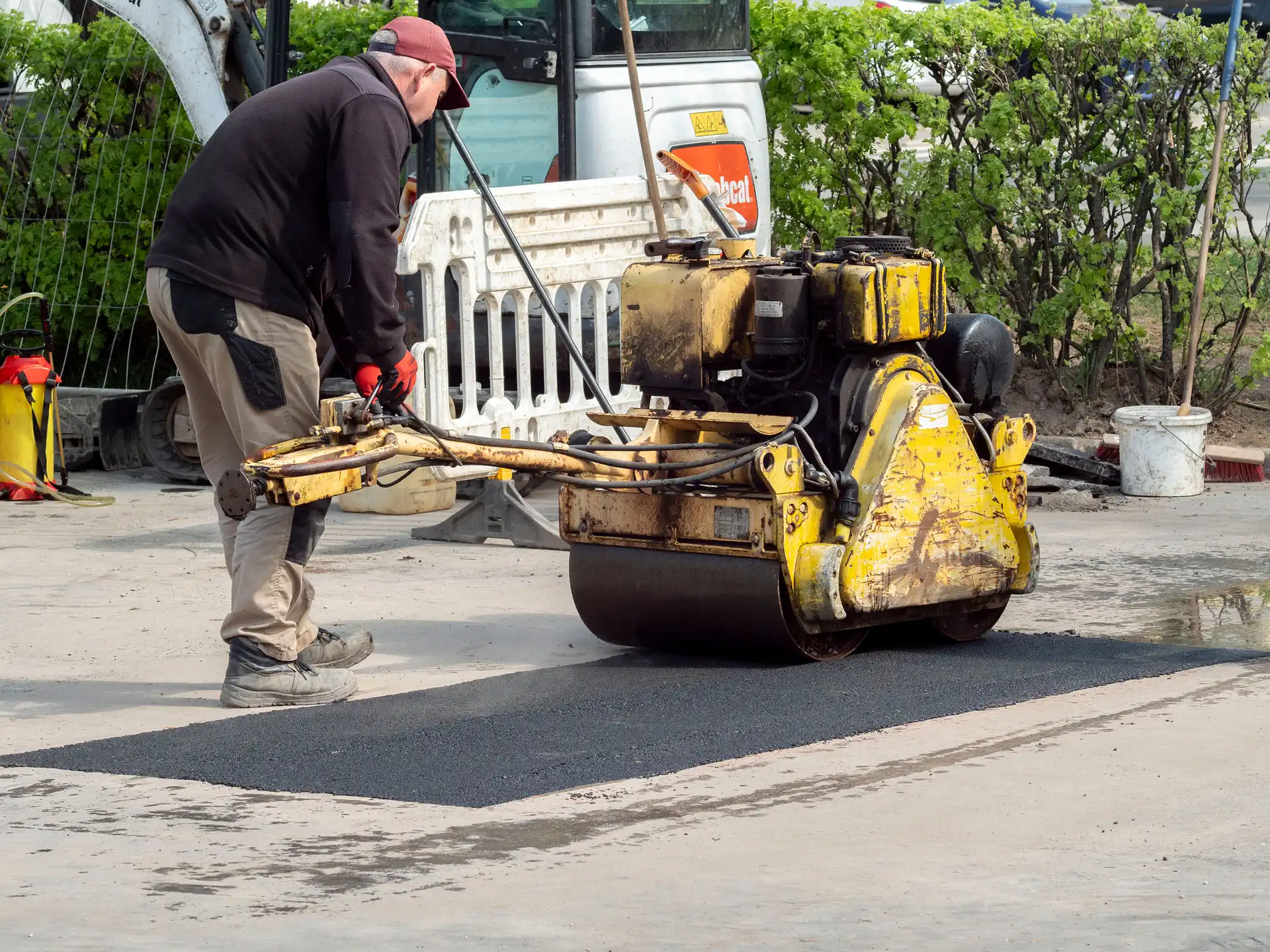
Red Flags to Watch for During a Commercial Asphalt Installation
Hiring the wrong paving contractor is one of the most expensive mistakes a Harrisburg business can make. A commercial asphalt install looks simple from the parking lot, but most of the work that decides how long it lasts happens before the first load of asphalt ever arrives. Cut the wrong corner and a lot that should last twenty years starts falling apart in two or three. The frustrating part for property owners across Central PA is that the warning signs are easy to miss if you don’t know what to look for. By the time the cracks and potholes show up, the contractor is long gone.
This post breaks down the red flags to watch before, during, and after a commercial install, so you can spot a corner cutting crew before they cost you. If you want a second opinion on a quote or a finished job, our Harrisburg, PAving team is glad to take a look.
What Are the Biggest Red Flags in a Commercial Asphalt Install?
The biggest red flags are no site prep, no drainage plan, a price that seems too good to be true, and a contractor who can’t show licensing or insurance. Any one of these should make you pause.
A few to keep front of mind:
- A quote far below everyone else’s
- No mention of base work or grading
- Vague or missing timeline
- No proof of insurance or local references
Cheap and fast almost always means expensive later. The savings disappear the first time you’re paying to fix it.
Why Is Skipping Base Preparation the Most Costly Mistake?
Skipping base preparation is the most costly mistake because the base is what actually carries the load. Lay asphalt over a weak or unprepared base and it doesn’t matter how good the surface looks. It will fail.
Proper prep means excavation, grading, and a compacted stone base built for your traffic. It’s the unglamorous part nobody sees.
That’s exactly why corner cutting crews skip it. It saves them time and money, and the failure won’t show until they’ve cashed the check. When the base goes, you get the hidden failure that shows up later as sinking and cracking.
What Happens When a Contractor Ignores Drainage?
When a contractor ignores drainage, water collects on and under the pavement and tears it apart. A flat, poorly graded lot traps water, and trapped water is what destroys asphalt fastest.
A real install accounts for slope, catch basins, and where runoff needs to go. Skip that and you’ve built a pond with a parking lot on top.
Around here that’s a death sentence for pavement. You can see exactly how drainage problems destroy asphalt once water has nowhere to go.
How Can You Tell if the Asphalt Was Laid Too Thin?
You can tell asphalt was laid too thin when the surface cracks, ruts, or flexes under normal traffic far sooner than it should. Thickness is one of the easiest specs for a contractor to shave.
Commercial lots need enough asphalt depth to handle real loads, and truck areas need more than car lots. A thin install might look identical on day one.
Then the trucks roll through. Ruts form, the surface cracks, and you find out the layer underneath was never thick enough for the job.
Why Does Bad Timing and Weather Ruin an Install in Central PA?
Bad timing ruins an install because asphalt needs warm, dry conditions to compact and cure properly. Lay it too late in the season and it never bonds the way it should.
Central PA’s cold months are no friend to fresh asphalt. Paving in marginal weather to rush a job is a classic corner cut.
Here’s a real example. A retail strip just outside Harrisburg took a lowball bid from an out of town crew that paved late in a cold, damp November to wrap up before winter. Looked fine for the holidays. By spring the surface was raveling and cracking across the whole lot, because the asphalt never compacted right in those temperatures. The owner ended up paying twice, once for the bad install and again to have it redone properly the next summer. The cheap bid was the most expensive option on the table.
What Credentials Should a Commercial Paving Contractor Have?
A commercial paving contractor should carry proper licensing, current insurance, and verifiable local references. No exceptions. These protect you if anything goes wrong.
Before you sign, confirm:
- Active license and current liability insurance
- Commercial references you can actually call
- A local track record in the Harrisburg area
- Who handles permits and traffic control
Contractors who’ve worked Central PA for decades aren’t vanishing if you need them later. Fly by night outfits are.
How Do You Protect Your Investment Long Term?
You protect the investment by hiring right the first time, then keeping up with maintenance. A quality install plus routine care is what gets you twenty years instead of five.
Once it’s down, simple habits keep it strong:
- Sealcoat every two to three years
- Fill cracks before winter
- Keep drains and low spots clear
Good upkeep on a good install pays for itself. There’s no maintenance plan that saves a bad one.
Frequently Asked Questions
How do I know if an asphalt quote is too low?
If one bid sits far below the rest, it usually means skipped base work or thin asphalt. The cheapest quote often becomes the costliest job.
What should be included in a commercial asphalt install?
Site prep, grading, drainage, a compacted base, proper asphalt depth, and striping. A quote missing these steps is a major red flag.
How long should a commercial asphalt lot last?
A properly installed commercial lot lasts 15 to 20 years in Central PA with regular maintenance. Bad installs can fail in just a few years.
Can a bad install be fixed without full replacement?
Sometimes, if caught early. But many corner cut installs fail at the base, which often means tearing it out and starting over.
What’s the best time of year to pave in Harrisburg?
Late spring through early fall, when temperatures stay warm enough for proper compaction. Cold, damp conditions keep asphalt from curing correctly.
Get a Second Opinion Before You Sign
The best way to avoid a bad install is to know what you’re looking at before the work starts. Whether you’re reviewing quotes or worried about a job that’s already failing, a quick evaluation tells you where you stand. Conte Paving & Construction has installed and rescued commercial lots across the Harrisburg area for over 30 years, and we’ll give you a straight assessment with no pressure. Reach out to our Harrisburg asphalt contractors for a free estimate and honest answers.
Trending Posts
-
 24 Jun 2026 Harrisburg, PAAsphalt Resurfacing vs Replacement in Harrisburg
 -
 23 Jun 2026 Harrisburg, PAWhy Commercial Potholes Keep Coming Back
 -
 23 Jun 2026 Harrisburg, PAWhy Heavy Truck Traffic Destroys Commercial Roads in Harrisburg
 -
 23 Jun 2026 Harrisburg, PAHow Drainage Problems Destroy Commercial Asphalt
 -
 22 Jun 2026 Harrisburg, PAHidden Signs Commercial Asphalt Is Failing