Why Heavy Truck Traffic Destroys Commercial Roads in Harrisburg
- June 23, 2026
- Harrisburg, PA
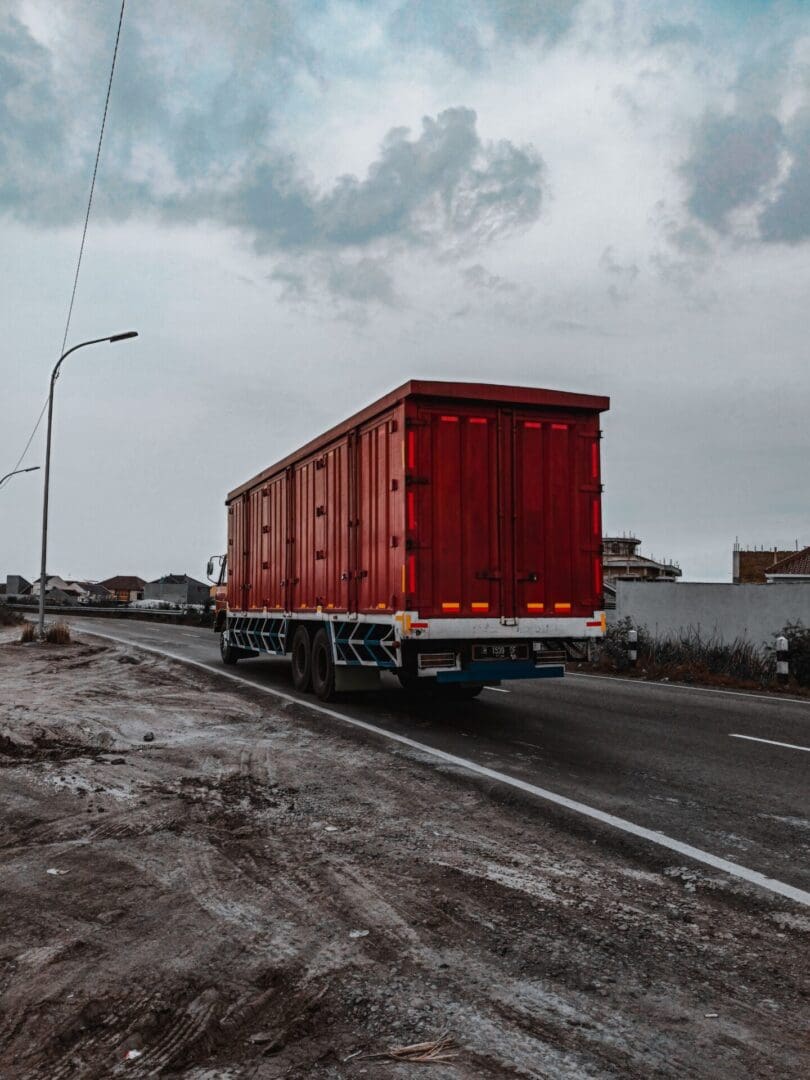
Why Trucks Destroy Commercial Roads in Harrisburg | Conte Paving
Drive past any warehouse or plant near Interstate 81 and you’ll see the same thing. Roads that looked sharp a couple years ago are rutted, cracked, and sinking in all the wrong places. The culprit usually isn’t bad luck or cheap asphalt. It’s weight. Harrisburg sits on some of the busiest freight ground in the state, and the trucks rolling through here punish pavement in ways a normal road just isn’t built to take.
The thing is, this damage follows a script. Heavy traffic breaks roads down in predictable spots, for predictable reasons, and that means you can plan around it. Below we’ll get into why loaded trucks are so brutal on commercial surfaces, where the damage shows up first, and what it actually takes to build a road that holds up under that kind of daily beating around Dauphin County.
Why Is Heavy Truck Traffic So Hard on Commercial Roads?
Because weight doesn’t add up in a straight line. One loaded semi does far more damage than thousands of cars, since road wear climbs sharply as axle weight goes up. A 40 ton truck isn’t ten times harder on pavement than a 4 ton car. It’s thousands of times harder.
Every pass presses the surface down and lets it spring back. Do that all day, every day, and the asphalt slowly gives. Cars barely register. Trucks, though, are basically a steady stress test your road never gets a break from.
How Much Weight Can a Commercial Road Actually Handle?
Only as much as it was built for, which is the whole problem. A surface poured for light traffic will fail fast once trucks start using it, no matter how clean the asphalt looked on day one. The load capacity lives in the base and the thickness, not the top layer.
This is why a logistics yard needs serious engineering and a strip mall lot doesn’t. Match the build to the real traffic and a road lasts. Guess low to save a few dollars and you’ll be repaving before the ink dries on the warranty.
Where Does Truck Damage Show Up First?
In the spots where trucks slow down, turn, or sit still. Rutting along the main drive lanes, cracking near loading docks, and shoving at corners and stop points are the classic early signs. Standing weight is worse than moving weight, so anywhere a truck idles takes a beating.
Loading docks are usually the first to go. Trucks back in, sit loaded, then pull out over the same few feet of pavement a hundred times a week. Turn areas suffer too, since twisting tires grind and tear the surface in a way straight driving never does.
We’ve inspected Harrisburg-area facilities where the main drive lanes looked fine, but the pavement around the loading docks had already started rutting and cracking from repeated trailer traffic. In several cases, the damage was limited to a small section because the problem was caught before it spread into the base.
How Do Harrisburg’s Freight Routes Make It Worse?
Our location is both a blessing and a curse. Sitting near Route 22, Interstate 81, and the Pennsylvania Turnpike means constant freight traffic, and that steady flow of heavy trucks wears commercial roads down faster than almost anywhere in the region.
Then winter piles on. All that truck stress combines with our freeze and thaw swings, so water works into truck made cracks and blows them wide open. The roads taking the most truck traffic also take the most weather damage. It’s a rough combination, and it’s exactly why local builds need to plan for both at once.
What Does It Take to Build a Road That Survives Heavy Trucks?
A deep, well compacted base and an asphalt layer thick enough for the actual loads. Strong drainage matters just as much, since water trapped under a truck route fails twice as fast. The work that protects a road from heavy traffic happens long before the surface goes down.
That means real soil testing, a base built to the right density, and depth matched to the trucks that’ll use it. Skip any of those and the road might look fine for a season, but it’s already on borrowed time. Doing it right the first time is the only version that actually saves money. You can see how that full process comes together on our commercial road construction page.
How Do You Maintain a Road Under Constant Truck Traffic?
Stay ahead of it. Roads carrying heavy trucks need crack sealing, sealcoating, and quick repairs on a tighter schedule than light use lots, because small problems spread fast under that kind of weight.
Catch a crack early and it’s a cheap fix. Let trucks keep pounding it and that same crack turns into a pothole, then a sunken section, then a full rebuild. Worn striping is worth watching too, since refreshing it keeps trucks moving through your site in patterns that don’t chew up the same stressed spots over and over.
Frequently Asked Questions
Do trucks really damage roads more than cars?
Yes, by a huge margin. Road wear rises sharply with axle weight, so a single loaded truck does the damage of thousands of passenger cars.
Why does my parking lot crack near the loading dock?
That’s where trucks sit, back up, and turn over the same pavement constantly. Standing and twisting weight breaks surfaces down faster than driving over them.
Can a regular lot be upgraded for truck traffic?
Often, yes. It usually means rebuilding the base and adding asphalt thickness so the surface can carry the heavier loads without failing early.
How fast do truck routes wear out in Harrisburg?
Faster than light use lots, especially here. Constant freight traffic plus Central PA freeze and thaw cycles can cut a poorly built road’s life in half.
Is rutting a serious problem?
It can be. Rutting means the road is deforming under weight, and left alone it traps water and speeds up cracking and base failure underneath.
Build It for the Trucks, Not Just the Lot
Heavy truck traffic isn’t going to ease up around Harrisburg anytime soon, and your pavement either gets built for that reality or pays for it. Rutting, dock cracking, and sunken drive lanes are all the same message: the road was asked to carry more than it was made to hold.
If trucks are wearing down your lot or access road, it’s worth getting a real assessment before the damage reaches the base. Conte Paving & Construction can walk your site and lay out exactly what it needs to stand up to the loads you run.
Trending Posts
-
 24 Jun 2026 Harrisburg, PAAsphalt Resurfacing vs Replacement in Harrisburg
 -
 23 Jun 2026 Harrisburg, PAWhy Commercial Potholes Keep Coming Back
 -
23 Jun 2026 Harrisburg, PAWhy Heavy Truck Traffic Destroys Commercial Roads in Harrisburg
-
 23 Jun 2026 Harrisburg, PAHow Drainage Problems Destroy Commercial Asphalt
 -
 22 Jun 2026 Harrisburg, PAHidden Signs Commercial Asphalt Is Failing