New Asphalt Installation: What a Proper Base Involves
- June 20, 2026
- Harrisburg, PA
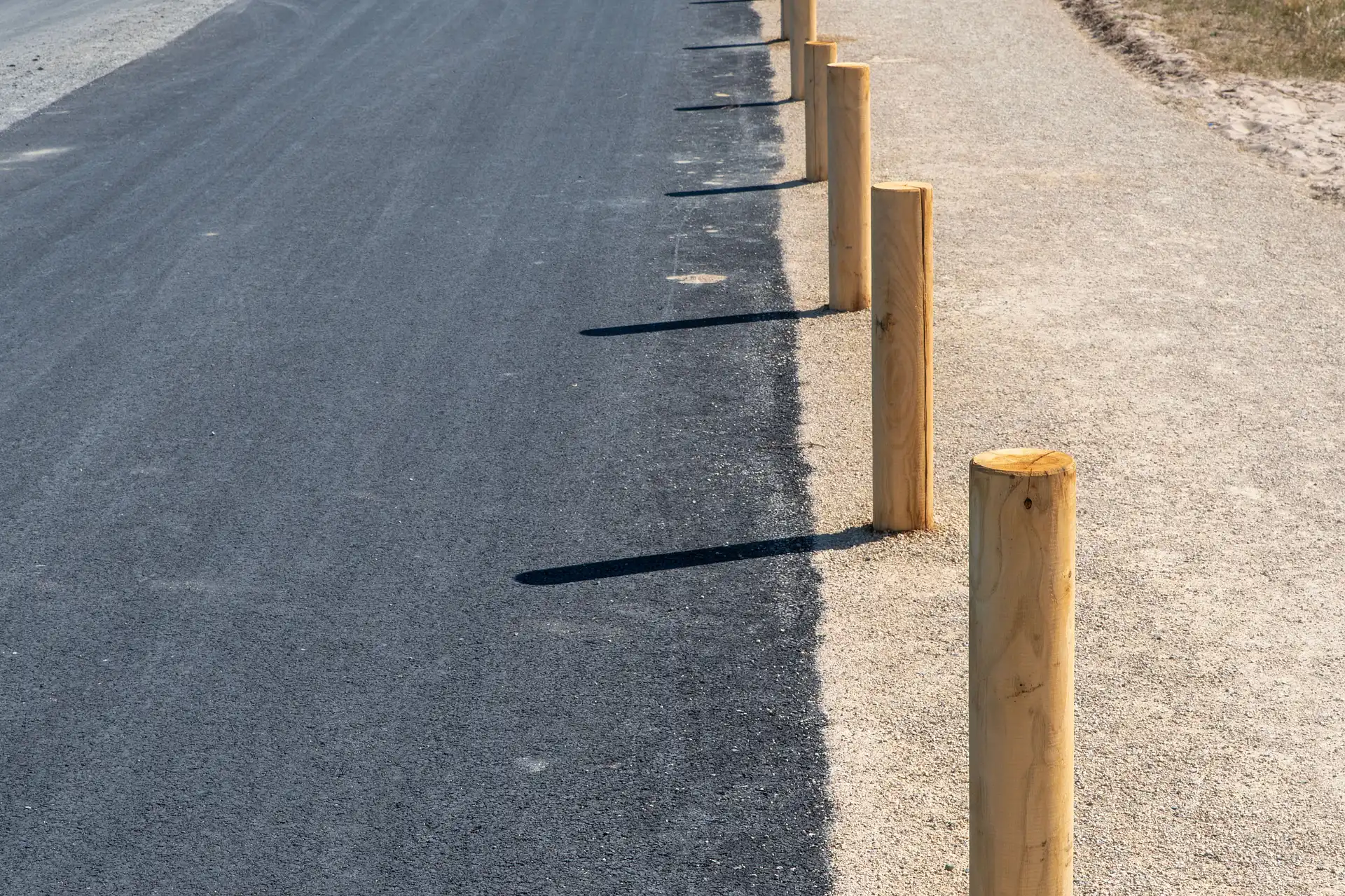
New Asphalt Installation: What a Proper Base Involves
Most people picture asphalt installation as a crew showing up, dumping hot blacktop, and rolling it flat. Done. But here’s the thing nobody outside the trade really sees: the part that decides whether your new lot lasts 5 years or 20 happens before any asphalt gets poured. It’s the base. And around Harrisburg, where the soil shifts and the winters never let up, a weak base is the fastest way to throw money in the trash.
So what actually goes into building a base the right way? More than you’d guess. There’s the soil underneath, the layers of stone on top of it, the compaction that ties it all together, and the drainage that keeps water from undoing the whole thing. Get those pieces right and your asphalt has a fighting chance against Central PA weather and heavy traffic. Get them wrong and you’ll be patching cracks before the warranty’s even cold. Let’s break down what a proper base really involves.
What Is the Base in Asphalt Installation?
The base is the layer of compacted material that sits beneath the asphalt and carries all the weight. Think of it as the foundation under a house. The asphalt you see on top is really just the wearing surface, while the base does the heavy lifting nobody notices.
Without a solid one, even premium asphalt fails fast. It’s that simple. The base spreads out the load from cars and trucks so the ground below doesn’t buckle. Skip it or rush it, and the surface has nothing dependable to rest on.
Why Does the Base Matter More Than the Asphalt?
Because the base is what fails first, almost every single time. When a lot cracks, sinks, or ruts, the problem usually started underneath, not in the asphalt layer everyone blames. A great surface over a bad base is just a nice looking mistake.
You can pour the finest hot mix in Dauphin County, but if the base shifts or holds water, that asphalt will crack right along with it. This is why a good asphalt contractor spends real time on the base before worrying about the top. The surface gets all the attention. The base gets all the results.
What Are the Layers of a Proper Asphalt Base?
A proper base is built in layers, and each one has a job. From the bottom up, you’ve got the subgrade, the sub base, and the aggregate base, with the asphalt riding on top of all three.
The subgrade is the natural soil, graded and compacted to give everything a stable starting point.
The sub base is a layer of larger stone that adds strength and helps water drain away from the surface.
The aggregate base is a tighter layer of crushed stone, packed down hard to create the smooth, load bearing platform the asphalt actually bonds to.
Stack those correctly and you get a road that flexes with traffic instead of cracking under it. Skip a layer to save a buck and you’ve built in failure from day one.
Why Is Compaction the Step You Can’t Skip?
Compaction is what turns loose stone into a rock solid platform, and it’s the step rushed crews love to shortcut. Each layer gets pressed down with heavy rollers until it hits the right density, leaving no air pockets or soft spots for the road to settle into later.
Picture loose gravel versus a packed driveway. One shifts under your feet, the other doesn’t budge. That’s the difference proper compaction makes. Cut it short and the base settles unevenly once traffic starts, and your brand new asphalt cracks and dips within a season or two.
How Do Central PA Soil and Weather Affect the Base?
A lot, honestly. Our clay heavy soil holds water and swells, which means the base has to be built to handle moisture and movement that southern installs never deal with. Drainage isn’t optional here. It’s survival.
Then winter shows up. Water trapped in a poorly drained base freezes, expands, and lifts the whole surface, then drops it again when it thaws. Repeat that across a Harrisburg winter and a weak base heaves and cracks. A base built for this climate moves water out fast and stays stable when the temperature can’t decide what it’s doing.
What Goes Wrong When the Base Is Rushed?
Pretty much everything, just on a delay. Skimp on the base and you’ll see early cracking, rutting, potholes, and sunken low spots, often within the first couple of years. The damage looks like an asphalt problem, but the root cause is buried below.
And here’s the kicker. Fixing a bad base later costs way more than building it right the first time, because crews have to tear out the surface to reach the problem. That cheap install ends up being the expensive one. You can see the full range of commercial paving work we handle when a base needs to be done correctly from the start.
How Does a Solid Base Pay Off Long Term?
It saves you money for years, plain and simple. A properly built base means fewer repairs, longer surface life, and pavement that holds up to traffic and weather instead of fighting it. The upfront cost buys you a decade or two of low maintenance.
It also makes upkeep cheaper down the line. Sealcoating and crack filling actually work when the foundation underneath is sound, because you’re protecting a stable surface instead of chasing failures from below. Build the base right and everything after it gets easier.
Frequently Asked Questions
How thick should an asphalt base be?
It depends on the traffic and soil, but commercial lots need a deeper base than driveways. Heavy truck areas around Harrisburg need extra depth to carry the load.
Can you install asphalt without a proper base?
You can, but it won’t last. Asphalt laid over weak or uncompacted ground cracks and sinks fast, usually within a year or two of regular use.
What is the most common base mistake?
Poor compaction. When layers aren’t packed to the right density, the base settles unevenly under traffic and the new asphalt cracks soon after.
Does the base affect drainage?
Yes, hugely. A good base channels water away from the surface, and in Central PA that drainage is what protects your asphalt through every freeze and thaw cycle.
How long does a properly installed base last?
A well built base can support pavement for 15 to 20 years or more, especially when paired with routine sealcoating and crack maintenance.
Build It Right From the Ground Up
New asphalt is only as good as what’s underneath it. The base is where durability is won or lost, and no amount of quality surface material makes up for soil that shifts or stone that was never packed down. If you want pavement that survives Harrisburg traffic and weather, it starts below the surface.
Planning a new lot, driveway, or access road? Make sure the base is built for Central PA conditions before the asphalt goes down. The team at Conte Paving & Construction can walk your project and lay out exactly what a proper foundation will take.
Trending Posts
-
 24 Jun 2026 Harrisburg, PAAsphalt Resurfacing vs Replacement in Harrisburg
 -
 23 Jun 2026 Harrisburg, PAWhy Commercial Potholes Keep Coming Back
 -
 23 Jun 2026 Harrisburg, PAWhy Heavy Truck Traffic Destroys Commercial Roads in Harrisburg
 -
 23 Jun 2026 Harrisburg, PAHow Drainage Problems Destroy Commercial Asphalt
 -
 22 Jun 2026 Harrisburg, PAHidden Signs Commercial Asphalt Is Failing